Premium Coconut Derivatives · Indonesia → Global Vol. 01 · Harvest MMXXVI

Indonesia's Role in
Coconut Production

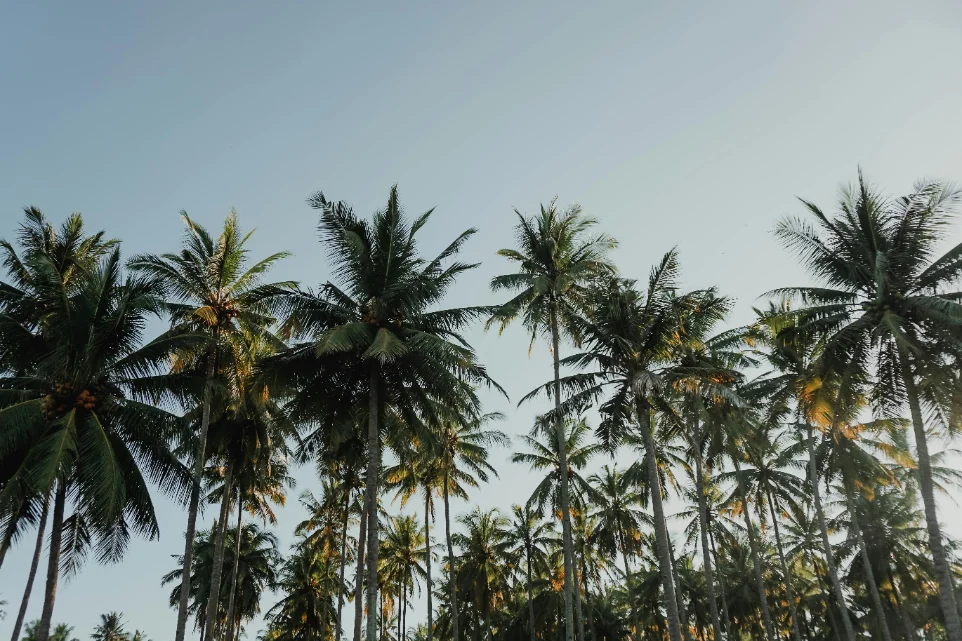
Indonesia is one of the world's largest coconut producing countries, supplying millions of tons of coconut-based materials annually for horticultural and industrial applications.

Golden hour palm grove, Sulawesi
4°S · 118°E · Sulawesi Grove
3
Coconut Product Lines
1MT
Minimum Order Quantity
Free
Sample Available
24h
Within We Reply

Harinza Jaya

About Harinza Jaya

Harinza Jaya is an Indonesian exporter of coconut derivative products specializing in Coconut Husk Chips, Coconut Coir Fiber, and Coco Peat Blocks. The company serves horticulture distributors, agricultural suppliers, greenhouse operators, substrate manufacturers, and importers across Europe, North America, and Asia. Based in Central Java, Indonesia, Harinza Jaya works with coconut farming communities in Indonesia to supply export-grade coconut growing media and industrial coconut materials.

i.

Quality & Consistency

We ensure every coconut derivative meets international standards through careful sourcing and strict quality control on each shipment.

ii.

Strong Partnerships

We build lasting relationships with farmers, logistics partners, and global buyers to create a resilient and reliable supply chain.

iii.

Sustainability

We transform Indonesia's coconut harvest into valuable materials, supporting local communities and responsible production practices.

The Catalogue · 03 SKUs

One palm.
Three industrial answers.

HORTICULTURE COCONUT HUSK CHIP
01. Product

COCONUT HUSK CHIP

For Orchids, Flowers, Vegetables & Garden Plants

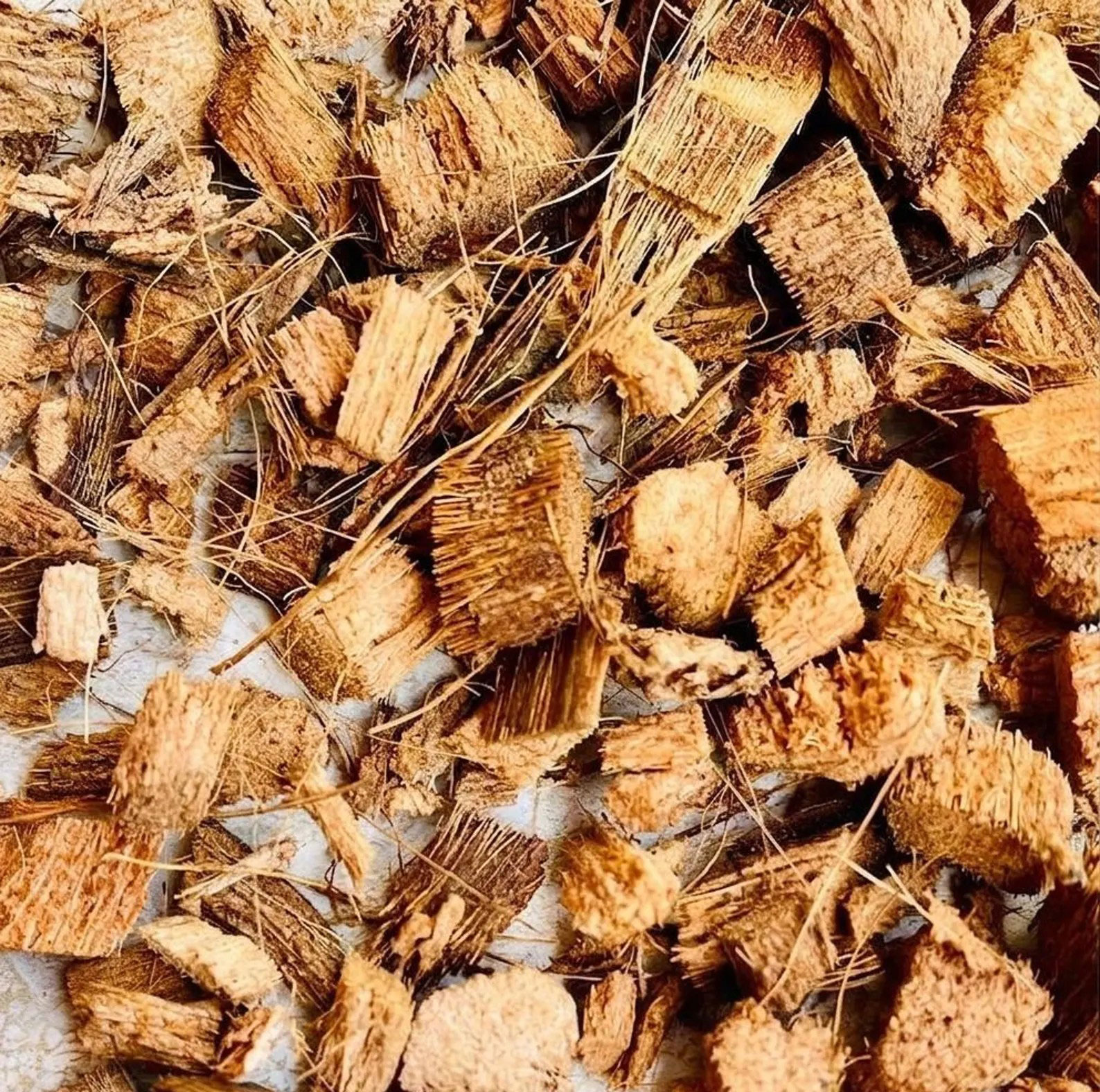
Chunky coconut husk pieces, naturally processed and free from additives. Designed for growers who demand structure, airflow, and moisture balance in one medium.

INDUSTRIAL Natural Coir Fiber
02. Product

Natural Coir Fiber

Industrial, Horticultural & Textile Applications

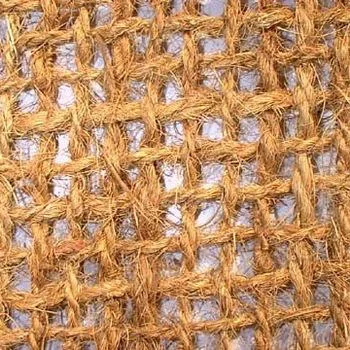
Long strand coir fiber extracted from mature coconut husks. Raw, strong, and built to last. Used across horticulture, erosion control, and natural textile manufacturing worldwide.

HORTICULTURE Ultra Expandable Coco Peat Block
03. Product

Ultra Expandable Coco Peat Block

Turn Water into Soil. The Magic of Coco Peat.

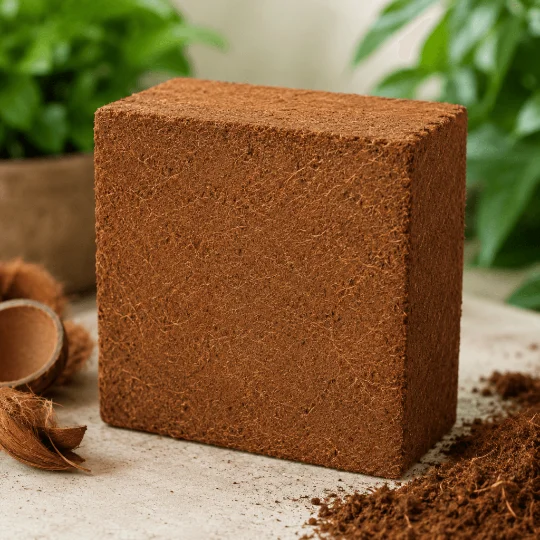
Compressed coco peat blocks. Tannin free, low EC, and mold resistant. Just add water, expand 5 to 6 times, and get rich fluffy growing media ready in minutes.

Knowledge Base

Insights about
Coconut Growing Media

What Is Coco Peat and Why Do Growers Love It?

What Is Coco Peat and Why Do Growers Love It?

The natural material hiding inside every coconut that is quietly changing the way the world grow plants.

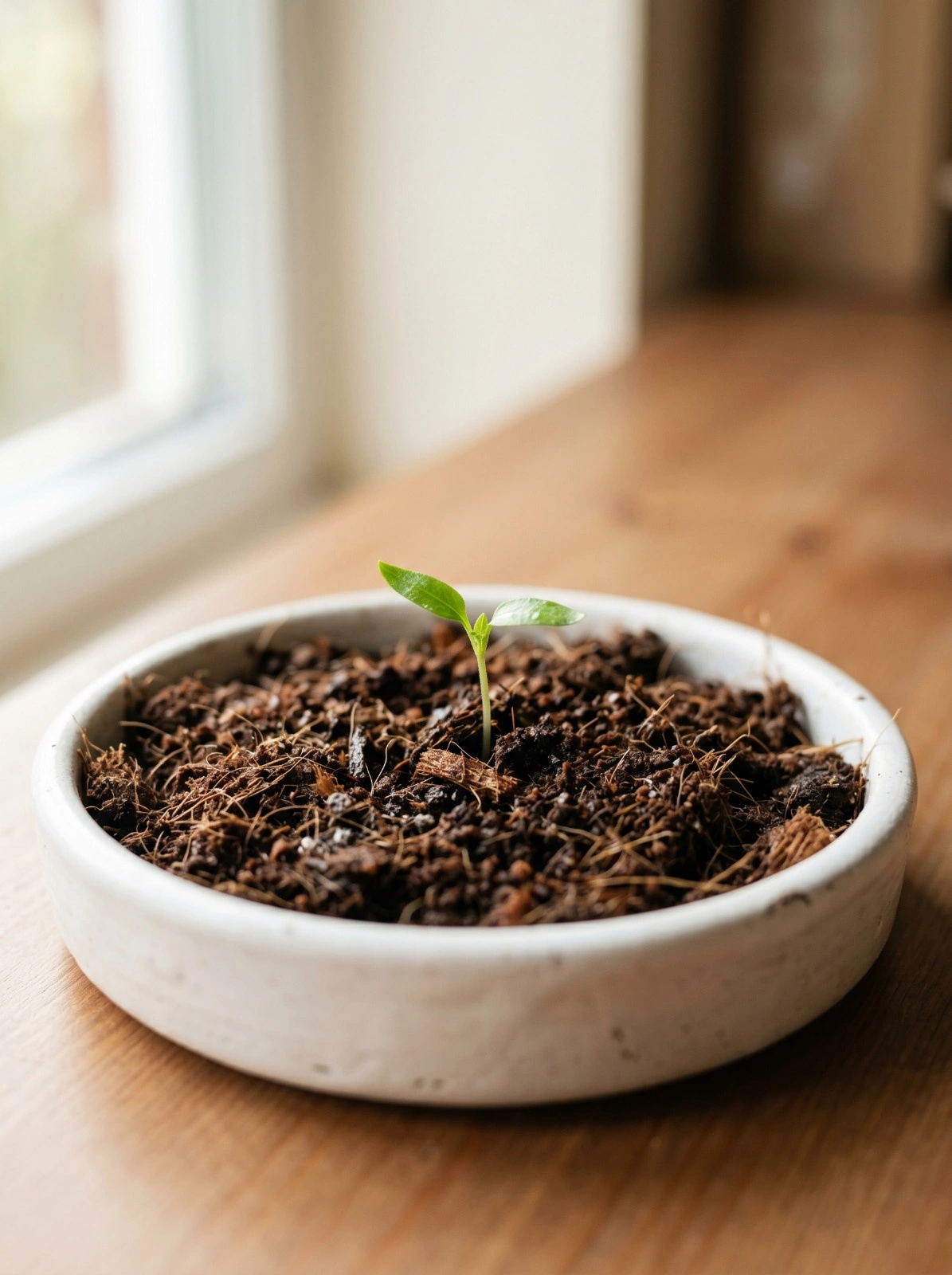
When coconut fibers are extracted from the husk for rope and textiles, the fine particles left behind are coco peat. It behaves like a natural sponge: it holds up to ten times its own weight in water yet never becomes waterlogged, so plant roots receive both moisture and oxygen at the same time.

Dry, compressed coco peat expands up to twelve times its original volume when hydrated, which makes it highly efficient to ship anywhere in the world. Indonesia produces roughly 18 billion coconuts every year, and coco peat is simply a byproduct of that existing harvest. No extra land, water, or farming is needed to produce it.

Why Plants Respond So Well to It

Coco peat has a near-neutral pH of around 6.0, which sits in the ideal range for most vegetables, herbs, flowers, and tropical plants. Its light, open structure lets roots spread freely without fighting through compacted soil. It also has a natural cation exchange capacity, meaning it holds nutrients close to the root zone and releases them gradually rather than washing them away after each irrigation.

Studies from growers in the Netherlands, one of the world's largest horticultural markets, have shown that crops grown in coco peat substrates use up to 30 percent less water and fertilizer compared to conventional soil cultivation.

Who Uses It and Where It Goes

Coco peat is used across more than 60 countries. Home gardeners mix it into containers and raised beds to improve drainage. Commercial greenhouse operations across Europe and North America grow tomatoes, peppers, and strawberries in coco peat grow bags year-round. Orchid growers blend the coarser grade into bark mixes. Landscape contractors use it for lawn establishment on sandy or clay soils.

Harinza Jaya processes and exports coco peat from Central Java, Indonesia, and supplies buyers in horticulture, agriculture, and professional landscaping across four continents.
Why Coconut Chips Are an Orchid's Best Friend

Why Coconut Chips Are an Orchid's Best Friend

Professional orchid growers have know this secret for years. It starts with a piece of coconut husk.

Most orchid deaths trace back to one issue: roots sitting in a medium that stays wet too long. In their natural habitat, orchids are epiphytes. They grow anchored to tree branches and bark in tropical forests, not buried in soil. Their roots are exposed to open air, dry out quickly after rain, and cling to rough, coarse surfaces.

Standard potting mix and fine bark both hold too much moisture for too long, creating conditions that cause root rot before any visible sign of trouble appears above the soil line.

How Coconut Husk Chips Replicate Nature

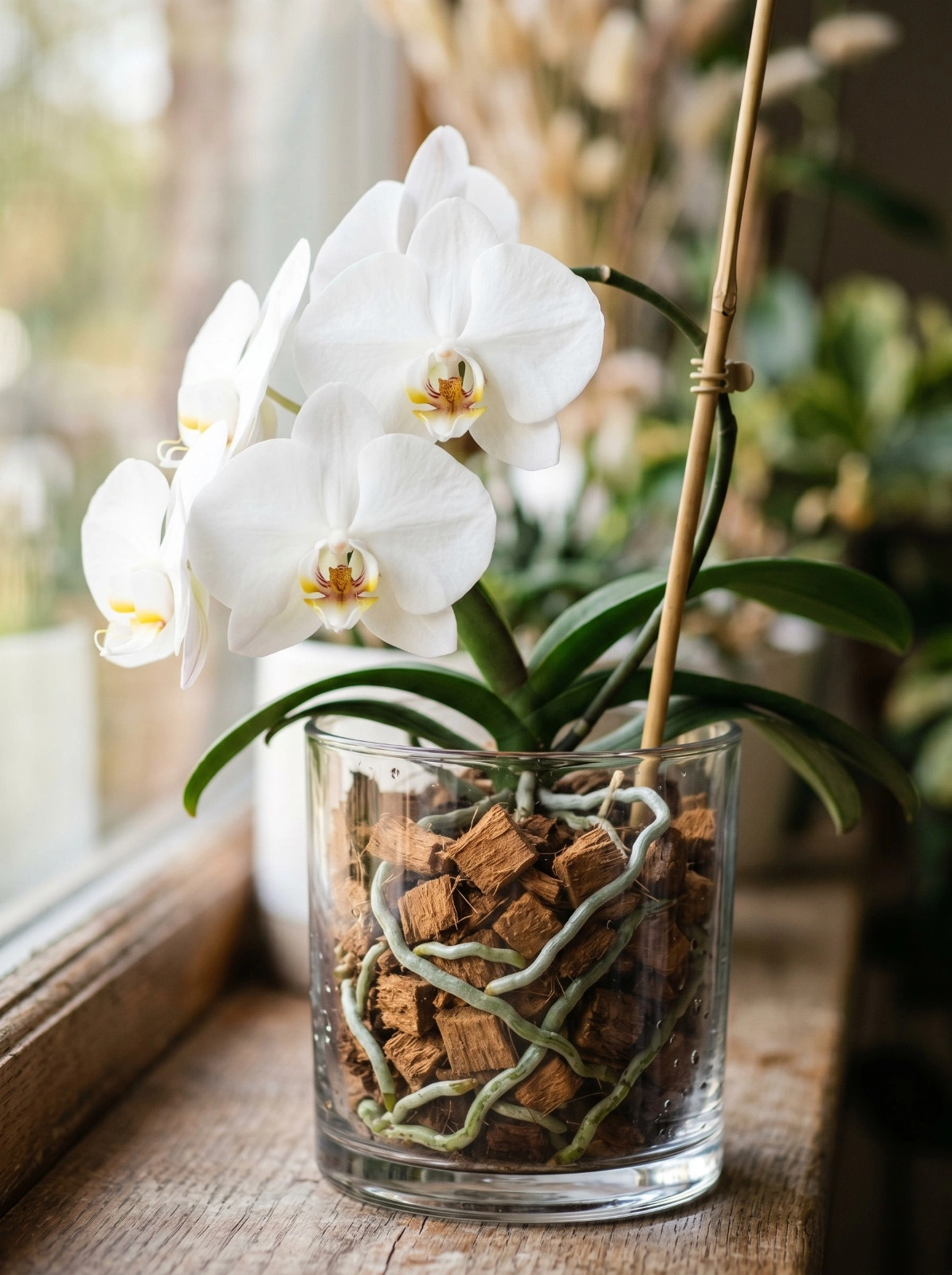
Coconut husk chips are cut from the outer shell of the coconut in irregular, chunky pieces typically between 10 and 40 millimeters in size. Stacked inside a pot, they create large air channels that allow water to drain rapidly and fresh air to circulate around the roots after every watering. They hold just enough surface moisture to prevent complete dehydration between waterings.

This wet-dry cycle closely matches what Phalaenopsis, Dendrobium, Cattleya, and Vanda orchids experience in the wild. Growers in Japan, South Korea, Taiwan, and the Netherlands, which together account for a significant share of global orchid trade, have adopted coconut husk chips as a primary growing medium over the past decade.

They Outlast Every Alternative

Pine bark, one of the most common orchid substrates, begins breaking down and compacting within 12 to 18 months. As it decomposes, the air pockets close up, drainage slows, and root health deteriorates. Coconut husk chips resist decomposition far longer. Under normal conditions, they hold their structure for three to five years before requiring replacement.

That means fewer repotting sessions, less physical stress on the root system, and more stable growing conditions across multiple bloom cycles.

Harinza Jaya exports coconut husk chips from Indonesia directly to orchid nurseries, specialty retailers, and horticultural distributors worldwide.

Coir Fiber: The Coconut Byproduct Holding the Ground Together

Coir Fiber: The Coconut Byproduct Holding the Ground Together

From hillside erosion control to garden twice, coir fiber is one of nature's most versatile materials.

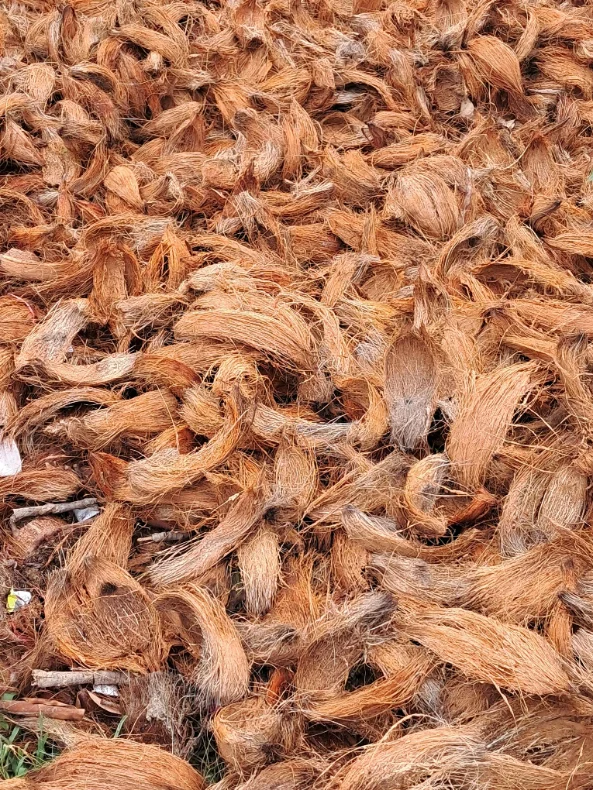
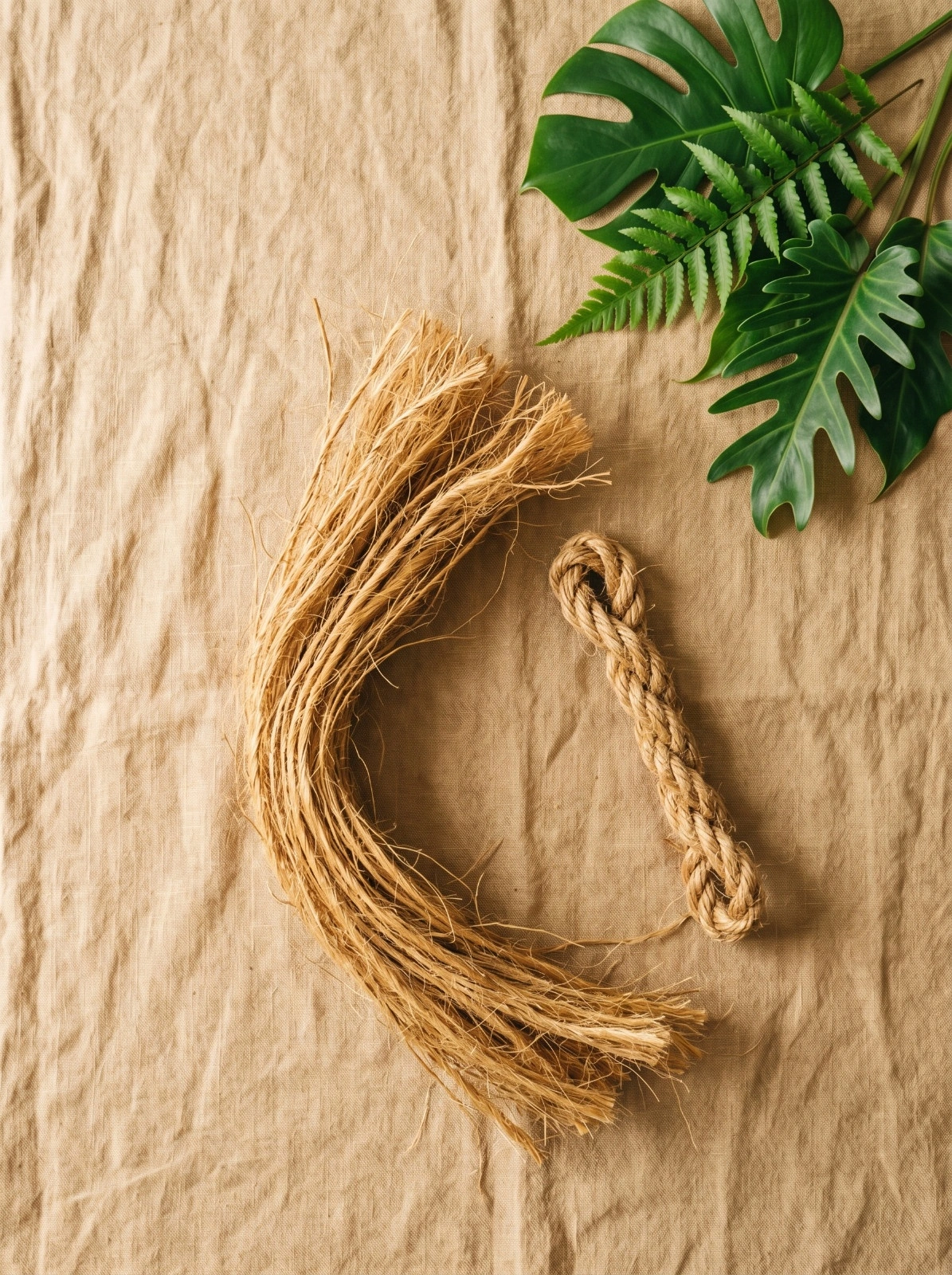
Inside every coconut husk, between the outer shell and the inner nut, runs a dense network of long, coarse strands. These are coir fibers, the structural layer of the husk. During processing, retting softens the husk in water, after which the long fibers are mechanically separated from the finer coco peat particles.

The result is a raw fiber that is naturally strong, salt-resistant, and moisture-tolerant. Coir has a tensile strength comparable to some synthetic fibers, yet it is fully plant-based and requires no chemical treatment to perform in outdoor and wet conditions.

More Industries Use It Than Most People Realize

Coir fiber is woven into erosion control blankets and geotextile mats used on highway embankments, riverbanks, and construction slopes where bare soil is at risk of washing away. Civil engineers value it because it stabilizes ground effectively and then biodegrades naturally once vegetation is established, typically within three to ten years depending on climate.

Beyond civil engineering, coir fiber is twisted into rope and garden twine, pressed into biodegradable seedling pots, used as padding and stuffing inside mattresses and upholstered furniture, and woven into floor mats and doormats. The global coir products market is valued at over 700 million US dollars annually, with demand growing across construction, horticulture, and consumer goods.

A True Byproduct With No Extra Cost to the Planet

Every kilogram of coir fiber begins as a coconut husk that already existed as part of the normal harvest. No additional farmland is cleared, no extra water is consumed, and no separate crop is grown to produce it. It is extracted entirely from material that would otherwise be discarded or burned.

At the end of its useful life, coir fiber decomposes naturally and returns organic matter to the soil. Few industrial raw materials can claim this level of circularity.

Harinza Jaya exports natural coir fiber from Central Java, Indonesia, to manufacturers and buyers in construction, horticulture, and industrial production around the world.

Grove to Port ·

Disciplined
from harvest to handover.

i.

Harvest

Mature coconuts harvested from cooperative groves across Sulawesi, Java, and Sumatra during peak yield months.

ii.

Processing

Husked, washed and graded at our partner facilities. Chip, fiber and peat are separated under controlled humidity.

iii.

Quality Lab

Per lot testing for moisture, EC, pH and particle distribution. Every container ships with a numbered certificate.

iv.

Port & Sail

Loaded at Surabaya and Makassar. Phytosanitary cleared. Delivered DAP, CIF or FOB to your warehouse.

Industries

Industries We Serve

01

Horticulture

Greenhouses, Nurseries, Hydroponic Farms, Orchid Growers.

02

Agriculture

Commercial Farms, Soil Amendment Suppliers, Organic Farming Operations.

03

Industrial Applications

Erosion Control Manufacturers, Geotextile Producers, Mattress and Upholstery Manufacturers.

04

Import & Distribution

Agricultural Importers, Garden Product Distributors, Horticulture Wholesalers.

Surabaya container port at dawn
Live · 24h Response
7°S · 112°E · Semarang Port

For B2B Partners

Try the chip.
Then commit the container.

Direct line to our export desk, no slow back-and-forth. Just a spec sheet, a quote, and a sample carton on its way.

Certified export quality Phytosanitary + numbered lot per shipment
Sustainably sourced Direct cooperative partnerships, no monoculture
EU & US logistics ready Ekswork, FOB and CIF terms supported
Cocochip Cocofiber Cocopeat
We respond within 24 hours, in English.

Need Help?

Frequently Asked Questions

What is coco peat used for?
Coco peat is commonly used as a growing medium for hydroponics, greenhouse cultivation, nurseries, and commercial agriculture because of its excellent water retention and aeration properties.
What is the minimum order quantity?
Our minimum export order starts from 1 metric ton depending on product type and destination.
Which countries does Harinza Jaya export to?
We serve buyers across Europe, North America, and Asia.
Do you provide phytosanitary certificates?
Yes. Every export shipment can be accompanied by required export documentation including phytosanitary certificates, certificate of origin, packing lists, and commercial invoices.
Is coco peat suitable for hydroponics?
Yes. Our low EC coco peat is suitable for hydroponic and greenhouse growing systems.